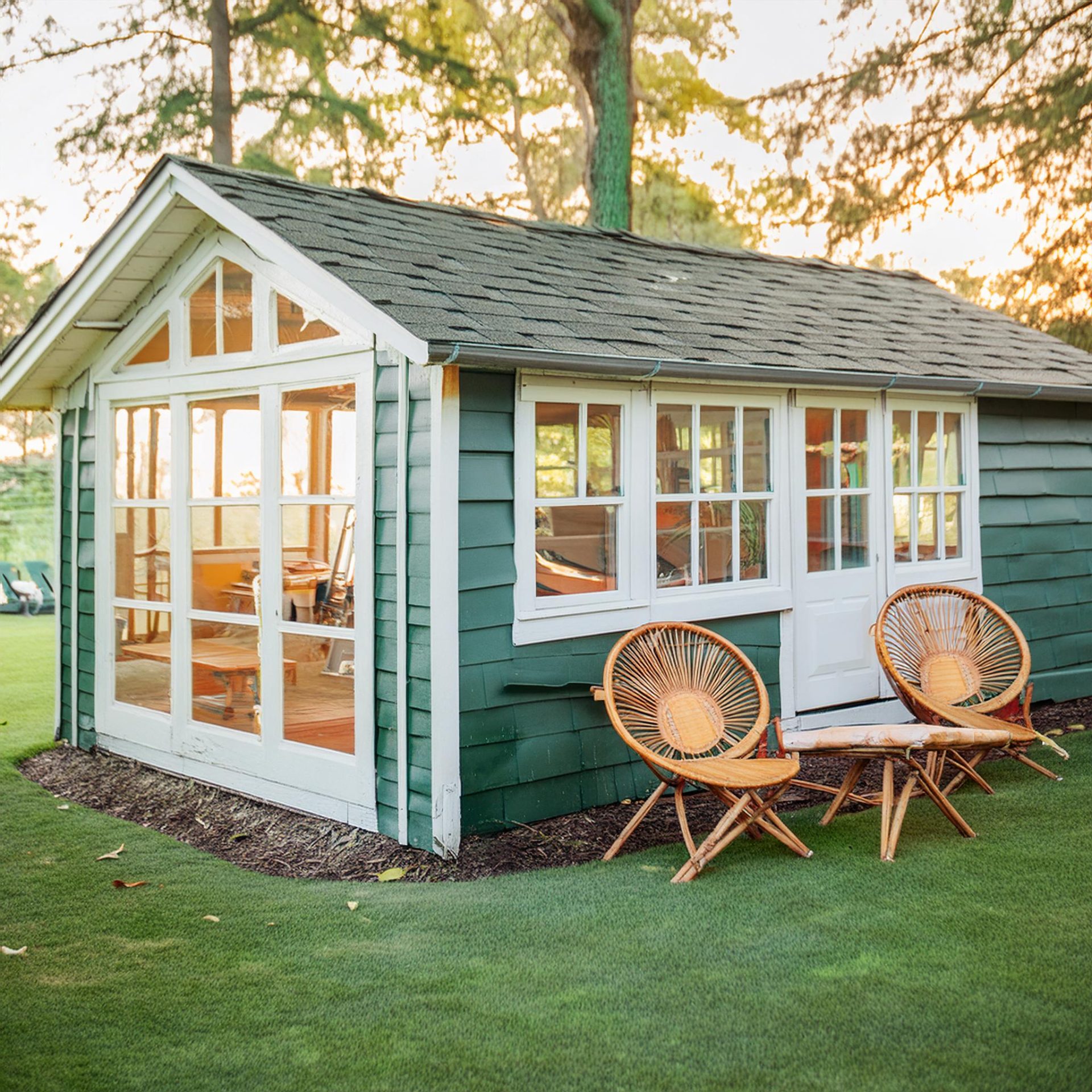


Is “Amish-built” just a marketing slogan, or a true standard of quality? Discover the history, techniques, and lasting value of authentic Amish craftsmanship for your next outdoor structure.
For homeowners looking to add a shed, garage, cabin, or gazebo to their property, this search often leads them to a tradition rooted in centuries of integrity: Amish craftsmanship. But what does “Amish-built” truly mean? Is it just a marketing slogan, or does it signify a deeper standard of quality?
This guide is for the discerning homeowner who believes that a structure should be more than just a temporary solution. It’s for those who see a new building as an investment in their property, their lifestyle, and their peace of mind. We will journey through the history that shaped this unique craft, uncover the specific techniques that define its superior quality, and provide you with the knowledge to make a confident decision. Most importantly, we’ll show you how to distinguish true craftsmanship from mere imitation, ensuring your investment stands strong for generations to come.
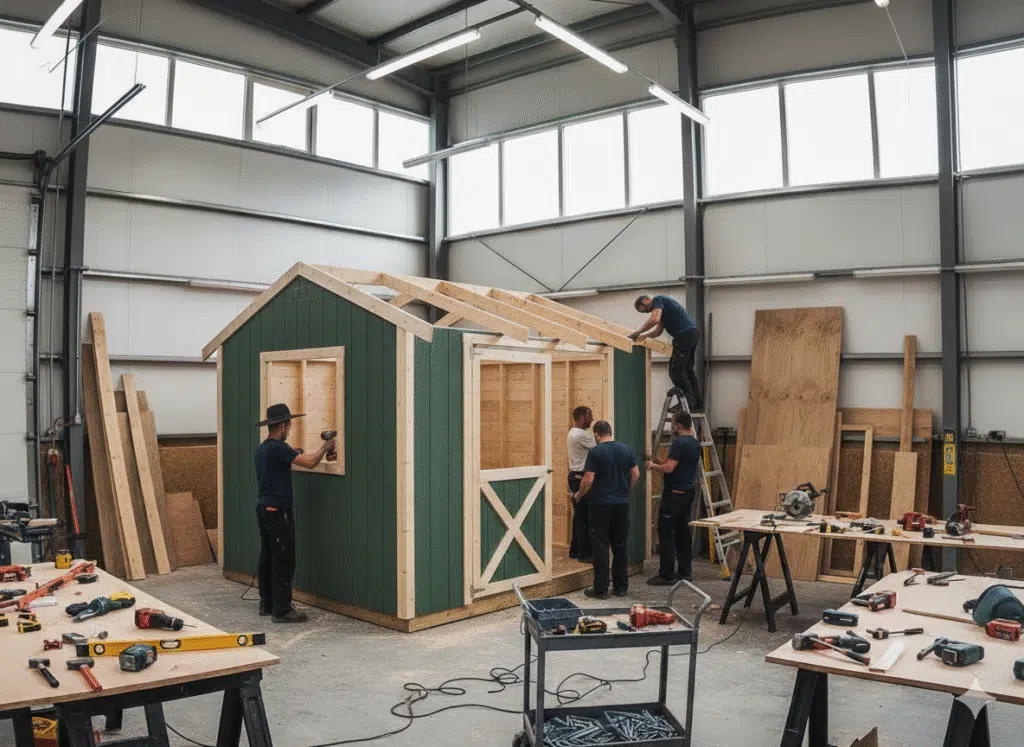
To understand why Amish-built structures are different, you have to look beyond the lumber and the layout. You have to look at the culture that creates them. The Amish tradition is not about aesthetics for their own sake; it’s about a way of life centered on principles of simplicity, humility, hard work, and community.
These core values directly translate into their craft:
When you invest in a genuinely Amish-built structure, you’re not just buying a product. You’re becoming a steward of this legacy—a legacy of building things the right way, for the right reasons.
So, how do these principles manifest in the final product? The difference between a mass-produced kit shed and an authentic Amish-built structure is night and day, and it comes down to three key areas.
The longevity of any building starts with the quality of its raw materials. While big-box stores often rely on particle board, OSB (Oriented Strand Board), and lower-grade, kiln-dried lumber, Amish craftsmen have a different philosophy.
They predominantly use high-quality, solid wood, often sourced locally from the forests of Pennsylvania and New York. You’ll find structures built from durable Eastern White Pine, rugged Hemlock, and beautiful Cedar. The wood is often air-dried, a slow and patient process that allows the lumber to season naturally. This results in more stable wood that is far less likely to warp, twist, or cup over time compared to the rapid kiln-drying process that can stress the wood’s internal structure. The floor joists are heavier, the siding is thicker, and the roofing is premium. This commitment to better materials is the first and most crucial step toward a structure that can face down decades of harsh weather.
This is where the magic of Amish craftsmanship truly shines. Instead of relying on nails, staples, and glue to hold things together, Amish builders employ traditional joinery techniques that create immensely strong and durable connections.
Look for hallmarks like mortise and tenon joints, where a precisely cut tenon (tongue) on one piece of wood fits into a mortise (hole) in another, creating a powerful, interlocking frame. You’ll see notched runners and joists that fit together like a puzzle, distributing weight evenly and providing incredible structural rigidity. These are the same techniques that have been used for centuries to build timber-frame barns that still stand today—a testament to their enduring strength. Compare this to a mass-produced shed where walls might be held together by little more than staples, and you begin to understand why one lasts a lifetime while the other might struggle to last a decade.
Because these structures are built by skilled craftsmen, not on an assembly line, you have an incredible degree of flexibility. You aren’t limited to three models in two colors. With a true Amish builder, you can be the architect of your own vision.
Need your shed to be a specific width to fit between your house and a fence? No problem. Want to add a workbench, a loft for extra storage, and a window on a specific wall to catch the morning sun? Consider it done. From the style of the roof and the type of siding to the placement of doors and the addition of decorative cupolas, you can design a structure that perfectly matches your home’s aesthetic and your family’s unique needs.
Choosing an Amish-built structure is a significant decision. It’s an investment in your property that pays dividends for years, not just in utility, but in financial and personal value.
It’s true that a genuine Amish-built structure often has a higher upfront cost than a kit from a hardware store. However, it’s crucial to look at the total cost of ownership. A cheaper shed might need a new roof in 7 years, new siding in 10, and may become structurally unsound in 15. The Amish-built structure, with its superior materials and construction, may require only a coat of stain every few years to look and perform like new for 30, 40, or even 50 years.
When you factor in the replacement and repair costs of a lesser building, the Amish structure is almost always the more economical choice in the long run. Furthermore, a high-quality, well-maintained outbuilding is a proven asset that increases your property value. It’s a feature that potential buyers recognize and appreciate.
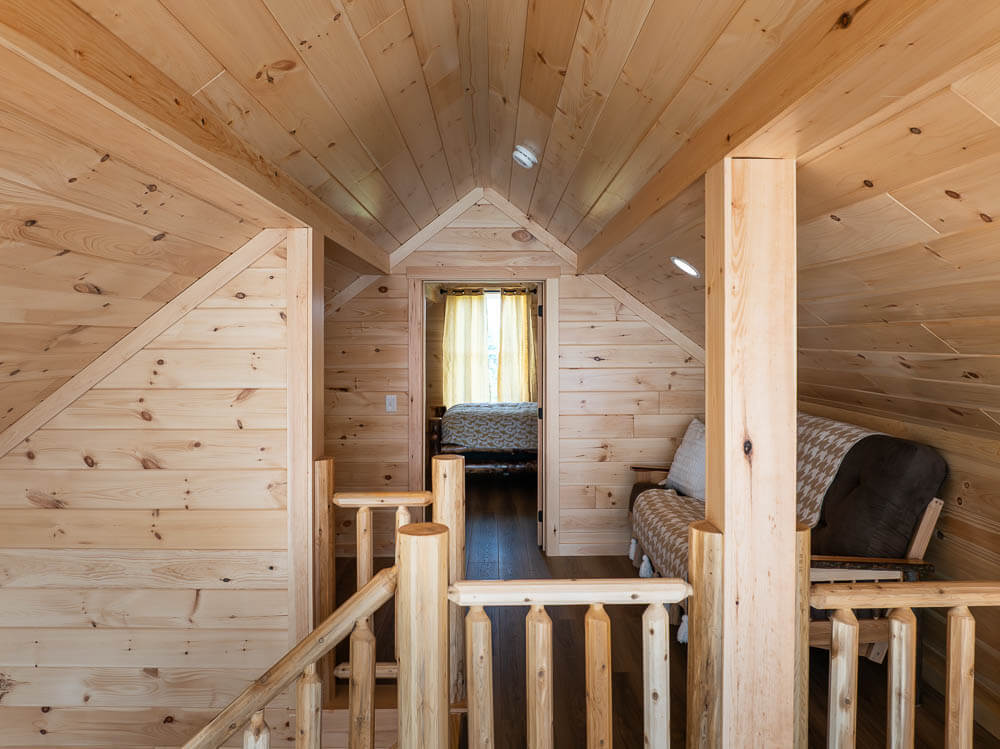
The popularity of the “Amish-Built” name has, unfortunately, created a minefield for unwary homeowners. Making a poor decision can lead to more than just disappointment; it can lead to financial loss and significant legal headaches.
The most common pitfall is purchasing from a dealer who uses the “Amish” label but sells inferior products. These “Amish-washed” structures might be built in a factory with lower-grade materials and simply marketed with pastoral imagery.
Red Flags to Watch For:
This is the single greatest risk for a homeowner. Every town and county has its own zoning laws and building codes regarding accessory structures. These rules dictate how large a shed can be, where it can be placed on your property, and what kind of foundation it requires.
An unscrupulous seller might tell you, “You don’t need a permit for this.” Never take their word for it. It is always the homeowner’s responsibility to check with their local municipality. The consequences of failing to do so can be severe. You could face daily fines until the structure is brought into compliance, or in the worst-case scenario, you could be issued a legal order to tear down and remove the entire building at your own expense. Your “bargain” shed suddenly becomes a catastrophic financial loss.
Navigating this process can feel daunting, which is why choosing the right partner is essential. At Wunderbar Structures, we’ve built our reputation on a foundation of transparency, integrity, and an unwavering commitment to genuine Amish craftsmanship.
We don’t just sell buildings; we provide peace of mind. We work directly with teams of seasoned Amish builders in the heartlands of Pennsylvania. These are the same craftsmen whose fathers and grandfathers built the barns and homes that dot the landscape—men who take immense pride in their work.
When you work with us, you are guaranteed:
We understand the unique needs of homeowners because we are part of the same communities. Our legacy is built on the satisfaction of our customers and the enduring quality of the structures we provide.
Choosing an Amish-built structure is a decision to favor the permanent over the temporary. It’s an investment in a piece of American heritage, a vote for sustainable quality, and a practical choice for enhancing your home and your life. It’s a story of integrity, told through wood and joinery, that will become a part of your family’s own story for generations.
Don’t settle for a short-term fix that will become a long-term problem. Invest in a tradition of excellence.
If you’re a homeowner in Pennsylvania or New York and are ready to explore the possibilities, the team at Wunderbar Structures is here to help. We can help you design the perfect structure for your needs and provide a clear, comprehensive estimate with no obligation.
Contact us today to begin transforming your backyard into the retreat you deserve.
Wunderbar Structures has been crafting premium outdoor living spaces since 2005. Our gazebos, pergolas, and pavilions grace thousands of homes across the country, each one custom-designed to enhance its unique setting and meet the specific needs of its owners.

